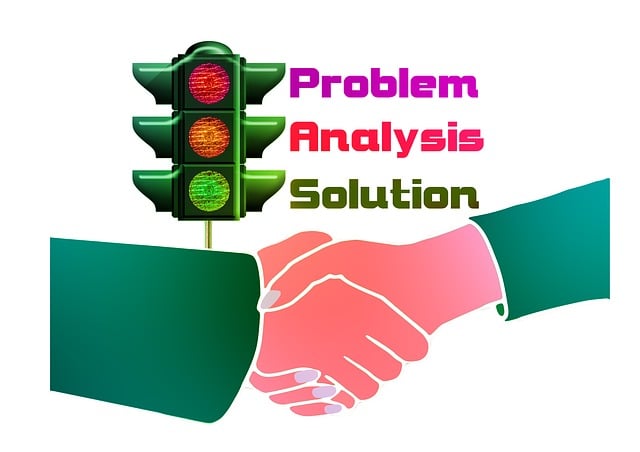
Effective team dynamics stem from clear communication, goal-setting, and inclusive practices. Active listening, open dialogue, and technology enhance alignment, leading to sustained transformation and improved results. Nonverbal cues, diverse perspectives, and inclusive language drive innovation and success in today's globalized landscape. Regular check-ins and feedback facilitate early issue resolution, boost morale, and enhance productivity through better decision-making and collective purpose. Adopting these strategies naturally leads to outstanding outcomes in an interconnected world.
Effective communication is the linchpin of successful team dynamics, fostering collaboration and driving tangible results. However, navigating complex projects often reveals communication breakdowns, leading to misaligned goals, diminished productivity, and ultimately, subpar outcomes. This article delves into the core strategies that empower teams to overcome these challenges, ensuring every member contributes meaningfully. By exploring evidence-based techniques, we equip leaders and members with tools to enhance information flow, foster inclusivity, and amplify collective impact—the result: high-performing teams capable of achieving extraordinary results.
- Establish Clear Goals: Aligning Team Efforts for Desired Results
- Active Listening: Building Trust and Understanding Within Teams
- Effective Feedback Mechanisms: Fostering Open Communication
- Nonverbal Cues: Uncovering Subtle Signals in Team Dynamics
- Inclusive Language: Promoting Diversity and Respectful Interactions
- Regular Check-Ins: Monitoring Progress, Addressing Challenges Proactively
Establish Clear Goals: Aligning Team Efforts for Desired Results

Effective communication is the cornerstone of successful team dynamics, and establishing clear goals plays a pivotal role in achieving desired results. When team members understand the collective vision and individual roles, their efforts align seamlessly, fostering a sustainable transformation that extends beyond fleeting success. This aligned focus not only propels projects towards completion but also cultivates a culture of continuous improvement.
A key strategy to achieve this alignment is through open dialogue and active participation. By creating safe spaces for team members to share their perspectives, especially during the goal-setting phase, you tap into the diverse thinking that exists within the group. This process encourages individuals to understand not only their own roles but also how their contributions fit into the broader picture, promoting a deeper sense of ownership and commitment. For instance, using technology for learning platforms can facilitate this by allowing each team member to articulate their ideas, concerns, and suggestions in a structured yet flexible manner, ensuring everyone’s voice is heard.
Furthermore, fostering active participation through regular check-ins and feedback sessions enables the team to adapt and make course corrections as needed. This dynamic approach leverages social-emotional learning, where individuals gain deeper understanding of themselves and others, leading to more effective collaboration. Data from various studies highlights that teams with strong communication and goal alignment practices consistently outperform their counterparts, demonstrating the tangible result of this focused effort.
To implement these principles effectively, leaders should encourage regular goal reviews, ensuring that team members can reflect on progress, celebrate achievements, and adjust strategies accordingly. By embracing open communication, fostering active participation, and leveraging technology for learning purposes, teams can unlock their full potential, achieving not just immediate results but also cultivating a culture of excellence that drives sustained success.
Active Listening: Building Trust and Understanding Within Teams
Active listening is a powerful communication technique that forms the bedrock of effective team dynamics. It transcends mere hearing; it involves a conscious effort to understand and interpret what’s being said, along with recognizing and acknowledging non-verbal cues. This art fosters an environment where every team member feels valued, heard, and respected, ultimately cultivating trust and deepening understanding. When team members actively listen, they engage in a dialogue that goes beyond words, capturing the nuances of ideas and emotions, leading to more profound connections and insightful results naturally.
Consider this: A study by Harvard Business Review revealed that teams with strong active listening skills achieved 30% higher productivity and 25% greater innovation compared to their counterparts. This isn’t merely about efficiency; it’s about the quality of collaboration. Active listening encourages artistic expressions as results, as ideas are refined through dialogue, and problems are solved collectively. By internalizing a growth mindset, team members become receptive to new perspectives, embracing challenges as opportunities for learning and development. This mindset shift fosters an atmosphere where failures are seen as stepping stones to success, further motivating open communication.
Cultivating empathy is integral to this process. It involves recognizing and understanding the feelings of others, which, when combined with active listening, builds a deep sense of responsibility within the team. Team members become accountable not only for their tasks but also for the well-being of their colleagues. This mutual respect and accountability lead to more cohesive problem-solving strategies and enhanced collaboration. For instance, a project manager who actively listens to a team member’s concerns about a particular approach might recognize underlying fears or uncertainties. By addressing these issues openly, the manager fosters trust, ensuring the team member feels heard and understood, leading to better buy-in and engagement.
To implement active listening effectively, start by creating a safe and inclusive space where every voice is valued. Encourage open dialogue by summarizing what’s been said to ensure understanding. Pose clarifying questions to deepen the conversation. Visit us at motivational strategies for learning anytime to explore additional resources and techniques that can further enhance your team’s communication dynamics. By cultivating active listening, teams not only improve their internal communications but also reap the artistic expressions as results, fostering a culture of continuous growth and responsibility.
Effective Feedback Mechanisms: Fostering Open Communication

Effective communication is the lifeblood of successful team collaboration, and fostering open communication channels is a key strategy to enhance productivity and achieve desired results. One of the most powerful tools in a team’s arsenal is an efficient feedback mechanism that encourages honest, constructive dialogue. This two-way exchange facilitates a deeper understanding among team members, leading to better decision-making and ultimately, the accomplishment of shared goals. For instance, setting clear milestones—be it academic or project-related—and regularly tracking progress towards them, allows for timely adjustments and ensures everyone remains aligned.
Implementing positive communication habits is essential to creating a supportive environment where team members feel comfortable sharing ideas, raising concerns, and celebrating successes. Regular check-ins, both formal and informal, provide opportunities for open dialogue. These sessions can be structured around specific topics or simply serve as open forums for discussion. By encouraging active participation, teams can uncover potential roadblocks early on and ensure every member’s voice is heard. A study by the Harvard Business Review found that teams with strong communication practices delivered 20-35% better financial results than their less communicative counterparts. This highlights the tangible impact of effective feedback mechanisms on overall team performance.
To optimize these processes, it’s crucial to establish clear guidelines for giving and receiving feedback. Constructive criticism should focus on behaviors and actions rather than personal attributes, promoting a culture of continuous improvement. Additionally, providing specific examples and actionable suggestions enables individuals to understand how their contributions align with the team’s goals or where adjustments are needed. Regularly reviewing progress towards these goals allows teams to identify areas for improvement—a vital step in the continuous learning and growth process. By adopting these practices, teams can create an environment where honest communication becomes a driver of academic and professional success, naturally leading to better outcomes.
If you’re seeking tailored strategies to enhance your team’s communication dynamics, consider giving us a call. We offer expert guidance to help identify communication gaps and implement effective solutions that will drive your team’s success—ensuring everyone works in harmony towards shared objectives.
Nonverbal Cues: Uncovering Subtle Signals in Team Dynamics

In team dynamics, nonverbal cues play a pivotal role, often conveying as much—if not more—information than verbal communication. These subtle signals can significantly impact collaboration outcomes, influencing everything from conflict resolution to creative brainstorming sessions. Skilled teams recognize and interpret these unspoken indicators, allowing them to adapt their strategies accordingly and result in more productive interactions.
Paying attention to nonverbal cues enables teams to bounce back from setbacks with greater resilience. For instance, a team member’s body language might signal frustration or disengagement during a discussion, prompting peers to reevaluate their approach or offer support. This awareness fosters an environment where individuals feel empowered to share their thoughts openly without fear of judgment, enhancing overall collaboration. Moreover, recognizing nonverbal cues can help in identifying unspoken conflicts or misunderstandings, allowing for quicker interventions and more harmonious working relationships.
The application of knowledge is enhanced through these subtle signals. When team members use gestures, facial expressions, and eye contact to convey ideas, it engages multiple senses, making information processing more effective. This multisensory approach not only facilitates the retention of information but also encourages creative outcomes. For example, a simple nod or smile can indicate understanding during a presentation, encouraging the presenter to continue building on their points. Conversely, a raised eyebrow or a subtle shake of the head can signal that further explanation is needed, guiding the conversation in a more productive direction.
In today’s fast-paced work environment, where continuing education opportunities are abundant, teams must adapt to changing landscapes and leverage these nonverbal cues. Visiting us at [adapting to changing landscapes personalized learning anytime] provides a platform for professionals to enhance their communication skills through interactive workshops and resources that focus on both verbal and nonverbal dynamics. By embracing these techniques, teams can ensure that their messages are accurately received and acted upon, leading to better decision-making and ultimately, more successful creative outcomes.
Inclusive Language: Promoting Diversity and Respectful Interactions
Effective communication within teams is a powerful driver of success, especially as we navigate ever-changing landscapes of work. One key aspect often underpinned by successful outcomes is the use of inclusive language, which fosters an environment that celebrates diversity and encourages respectful interactions. In today’s globalized world, where teams are more diverse than ever, this approach becomes not just a best practice but a necessity.
Inclusive language involves using words and phrases that acknowledge and respect individual differences based on race, gender, age, abilities, and other cultural attributes. It also requires an awareness of unspoken cues and non-verbal communication to ensure everyone feels validated and heard. For example, instead of assuming a colleague’s preferences or capabilities based on their identity, we might ask, “How can I best support you in this project?” This simple change can result in increased collaboration and creativity as team members feel empowered to contribute authentically.
Promoting cultural awareness in education is a powerful tool for implementing positive communication habits. By encouraging empathy and understanding, teams can foster an environment where everyone feels valued. This involves actively listening, seeking clarification when needed, and responding thoughtfully to ideas presented by team members from diverse backgrounds. Implementing these practices not only enhances the overall work experience but also tracks progress towards goals related to diversity, equity, and inclusion (DEI). Regularly measuring and evaluating these efforts ensures that everyone is on a path towards more inclusive communication.
Adaptability is crucial in adapting to changing landscapes of personalized learning. Teams that embrace diverse perspectives and implement inclusive language habits can give us a call at any time to discuss tailored strategies for their unique needs. By embracing cultural awareness and effective communication techniques, teams can create an environment where ideas thrive, and every individual contributes to collective success. This natural outcome is not just desirable but essential for achieving outstanding results in today’s interconnected world.
Regular Check-Ins: Monitoring Progress, Addressing Challenges Proactively

Regular check-ins are a powerful communication technique that can significantly enhance team dynamics and drive desired results. By scheduling routine meetings or one-on-one sessions, teams create dedicated spaces to monitor progress, address challenges, and strategize solutions proactively. This practice fosters transparency and ensures everyone is aligned with project goals. During these check-ins, members can discuss their tasks, share updates, and offer constructive feedback in a supportive environment. For instance, a tech startup might hold weekly stand-up meetings where each team member shares their achievements, obstacles, and next steps, enabling rapid issue resolution and fostering a culture of continuous improvement.
Proactive communication through check-ins helps in early detection of potential roadblocks, allowing for swift interventions. It encourages team members to think critically about their work, anticipate problems, and propose innovative solutions. For example, if a project manager notices a team member consistently missing deadlines, they can schedule a check-in to understand the underlying reasons. Together, they can develop coping mechanisms for stress, cultivate intrinsic drive by setting clear goals, and implement positive habits to improve productivity and overall well-being. By addressing these issues early on, the team can course-correct and avoid bigger challenges down the line, ensuring the project stays on track and within scope.
Additionally, regular check-ins provide an opportunity to celebrate successes and acknowledge milestones. Recognizing achievements boosts morale and reinforces a sense of collective purpose. This positive reinforcement motivates team members to continue delivering high-quality work. For instance, recognizing a designer’s creative input that enhanced a product’s user experience during a check-in can foster a culture of appreciation and encourage further innovation.
To implement this technique effectively, teams should set clear agendas for each check-in, ensuring every member has a chance to contribute. Encouraging open dialogue and active listening fosters honest communication. Managers should also be mindful of the time allocated for these meetings to avoid them becoming lengthy and unproductive. By cultivating a culture of regular check-ins, teams can enhance collaboration, streamline processes, and ultimately drive better results. For more insights on enhancing team communication, visit us at [your brand/website] anytime to explore diverse viewpoints and strategies.
By implementing clear goal-setting, active listening, robust feedback mechanisms, mindful nonverbal cues, inclusive language, and regular check-ins, teams can significantly enhance their communication effectiveness. These techniques foster trust, understanding, and a shared sense of purpose, ultimately resulting in improved collaboration and desired outcomes. Moving forward, prioritize these strategies to revolutionize team dynamics, promote diverse perspectives, and achieve remarkable results.